Top Travel Tips To Israel That You Should Know: 20 Faq’s
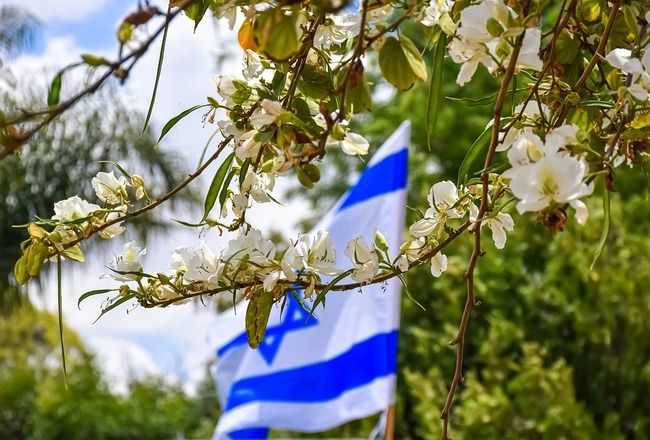

Are you planning to visit Israel soon? Travel to this Middle Eastern country if you haven’t already. Its beautiful beaches, serene religious spots, fascinating history, and delicious food are some of the reasons to visit. The Dead Sea, the Dome of the Rock, the Western Wall, and the Sea of Galilee are just a few of the attractions waiting to be explored. If this is your first trip to Israel, you may have many questions. Below, you will find answers to the most frequently asked questions, along with travel tips to Israel. Have a safe and enjoyable journey!
Travel Tips To Israel – Top 20
Where is Israel?
Israel is a tiny country in the Gulf of Aqaba. It has borders with four neighbouring countries: Lebanon to the north, Syria and Jordan to the east, and Egypt to the south. Driving from the north to the south is just a one-day trip. So getting around the country will not take long, which means you can plan plenty of day trips. We suggest you use Jerusalem or Tel Aviv as a base to explore Israel.
What is the history of Israel?
Israel’s history extends back 5000 years to the Bible, the Crusaders, and the Ottoman Empire. You can truly appreciate the beauty of the Holy Land only with the knowledge of its past. While Christianity spread across the country, Jerusalem adopted Islam with the Arab conquest of the region. Zionism was also part of the religious culture and Jews across the country became a prominent community.
After several conflicts, the state of Israel was formed with Palestine as its neighbour. A tour of the West Bank and Yad Vashem Holocaust Remembrance Centre are two sites we recommend that will provide you with insights into the underlying conflicts.
What is the best time to visit Israel?
The best time to visit Israel is during the Spring season which begins in April and lasts till May. You can also plan to visit in September and October when the temperatures become mild and pleasant. Essential travel tips to Israel includes a top tip to avoid visiting in summer as it is extremely hot with average temperatures of 30-35°C (85-95°F) every day. Also, Israel is the birthplace of three religions, Judaism, Islam and Christianity. It is good to be aware of the religious holidays as you may not have access to the holy places of that religion, as they will be open to worshippers only.
What is the official language of Israel and do locals know English?

Hebrew is the official language of Israel, but you’ll also hear Arabic, English, Russian and some other languages. A piece of great news for tourists is that English is widely spoken in the Holy land and is the language of choice for many Israelis. So, you will be able to communicate in English almost everywhere you go. However, there are several road signs and official documents written in three languages: Hebrew, Arabic, and English. Since Hebrew and Arabic use different alphabets, it’s impossible to understand them. But don’t hesitate to seek help from friendly locals. It’s always helpful to know a few Hebrew words that will help you while you travel such as;
- Shalom – Hello but means peace
- Bevakasha – Please
- Boker Tov – Good Morning
- Erev Tov –Good Evening
- Mazel Tove – Congratulations
- Toda/Toda Raba – Thank You
- Lehitra’ot – Goodbye
Is it safe to travel to Israel?
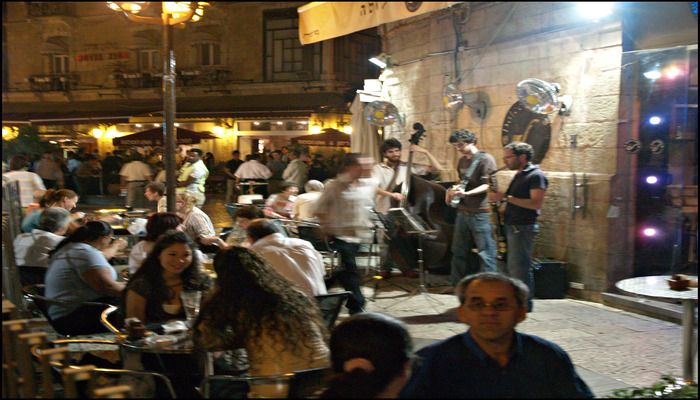
Is Israel safe? It is an uppermost concern in every tourist’s mind. Here are a couple of safety tips to keep in mind. Always remember to travel with insurance that covers medical expenses and loss of valuables. It is also important to consider the security situation, especially when travelling to the Old City of Jerusalem, the West Bank of Bethlehem, Ramallah and Jericho. We recommend you book the services of a knowledgeable tour guide, avoid large crowds and always follow the itinerary of the guide. Although authorities are on high alert, it is a good idea to keep your valuables such as your wallet, purse or camera in safe custody. Numerous apps will update you on the current political situation in Israel and the Jewish world such as The Haaretz app (English version). So, download them on your smartphone to stay updated while on the go.
You might like: Top 10+ Best Places To Visit In Israel When Planning A Trip To The Holy Land
Why do you see so many military personnel on the streets?

In the streets, soldiers patrol with machine guns. Are you surprised? The Israeli Defense Force requires every citizen over 18 to serve, which is why so many people serve. Another noteworthy achievement is that Israeli women head administrative roles and have also held combat positions since 1995. Today, they make up 51% of the army! Moreover, the IDF has been a contributing factor to the success of the economy. One of the top travel tips to Israel is feel comfortable instead of feeling afraid when confronted by military personnel as is perfectly safe and is a protocol. It’s possible to make friends with them, so give it a try.
What is Shabbat?
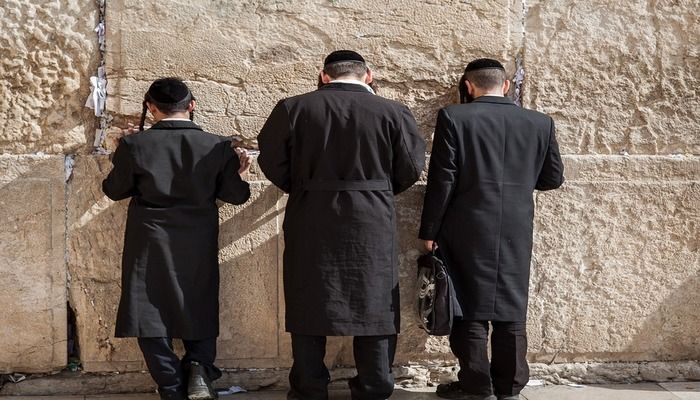
Shabbat is the Jewish day of rest. It officially starts a few minutes before sundown on a Friday and goes on until the sighting of the first three stars in the sky. On this day, the Jews stay home and relax. Some Jewish homes even prohibit the use of electricity. One of the top travel tips to Israel includes a recommendation, that you avoid visiting Israel during the official weekend (Friday and Saturday) as activities are minimal. However, if you are in Jerusalem, try to visit the Holy City to see the Jews pray at the Western Wall on Friday evening at the start of Shabbat.
What are the packing essentials?
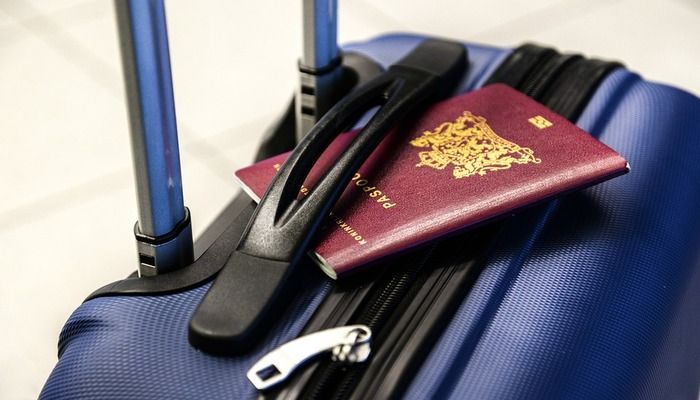
Another travel tip to Israel is the essentials to carry during your visit. Some of the packing items include –
- Travel documents
- Toiletries
- Clothing
- Credit card and cash
- Travel Insurance
- Medications and emergency kit
- Sunglasses and a hat
- Sunscreen
- Mobile phone & charger
- Backpack
- Travel Journal
- A pair of comfortable shoes
What is the dress code?
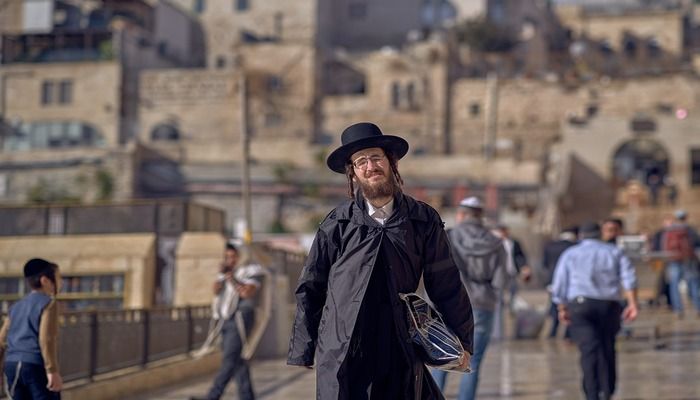
One of the important travel tips to Israel is the knowledge of the local dress etiquette. One must remember that the dress code in the country varies from region to region. For example, in Tel Aviv, you can dress fashionably, while in Nazareth you are expected to dress modestly and in Jerusalem, it varies from place to place. Most places in Israel allow liberal attire, except in spiritual places where it is advisable to dress modestly.
Additionally, at holy sites, men cover their heads with a cap and women wear a scarf headgear. It’s a good idea to carry one along at all times.
What are the top places to see in Israel?
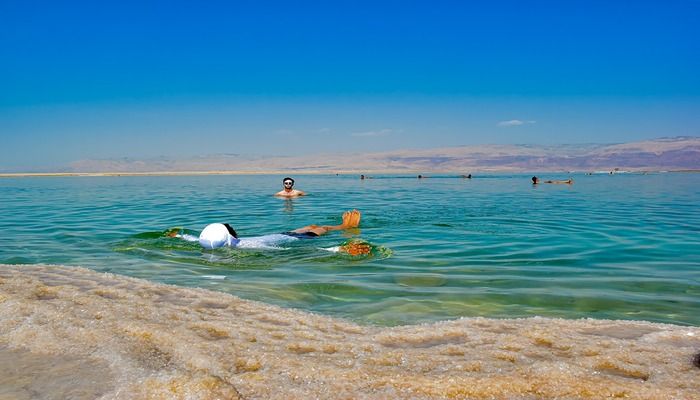
Once you have arrived, there are probably some places you would like to visit first, such as the famous Dead Sea. Known throughout the world because of its high salt content, you can float on the water effortlessly. However, there’s more to Israel than the Dead Sea. Let’s look at some of the other top places to see in Israel;
- Church of the Holy Sepulchre – a site of both the crucifixion and the tomb of Jesus of Nazareth.
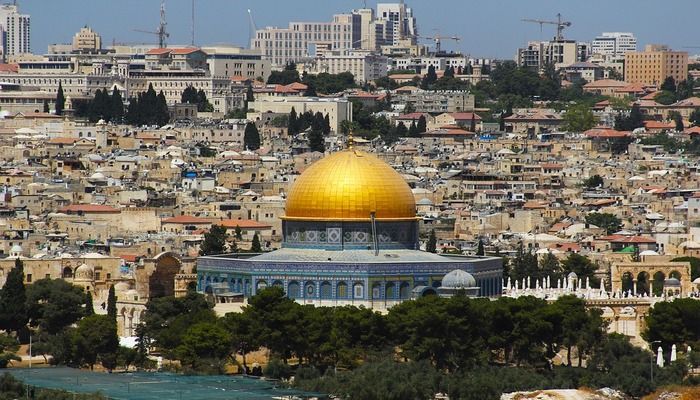
- Dome of the Rock – an Islamic shrine famous for its golden dome.
- The Western Wall – a holy pilgrimage site made of limestone where the Jews offer prayers.
- Temple Mount – a spiritual ancient site where Abraham sacrificed his son as per the bible.
- Tower of David – a Jerusalem citadel of historical significance.
- Jaffa Gate – a beautiful stone archway that is one of the seven gateways of Old Jerusalem’s walled borders.
- The Sea of Galilee – the famous spot where Christians believe that Jesus walked on water.
- Judean Desert – famous for the Mount of Temptation where Christians believe that the devil tried to tempt Jesus away from God.
- Masada – an ancient fortress in southern Israel located on a plateau overlooking the Dead Sea.
What are a few UNESCO World Heritage sites that are unmissable?
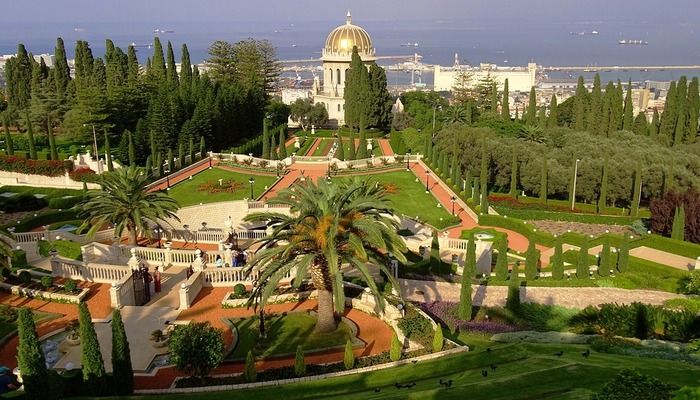
Israel is well known for its remarkable history and captivating UNESCO sites. These sites include the breathtaking Bahá’í Gardens in Haifa, ancient desert ruins along the Incense Route, and more. Here is a list of esoteric and cultural spots for you to add to your itinerary;
- The White City of Tel Aviv – a collection of 4000 buildings where most are white.
- Massada – a symbol of Jewish cultural identity.
- The Old City of Acre – a well-preserved mediaeval city with stunning Mediterranean views.
- Baha’i shrines and gardens in Haifa and Akko – resting place of the Prophet of the Baha’i faith.
- Desert Cities of the Negev – the four Nabatean towns of Haluza, Mamshit, Avdat and Shivta famous for the Incense Route.
- The Biblical Tels at Tel Megiddo National Park, Tel Hazor National Park, and Tel Beer Sheva National Park – prehistoric settlement mounds.
- Necropolis of Bet She’arim – a landmark of Jewish renewal and architectural splendour.
What are the top things to do in Israel?
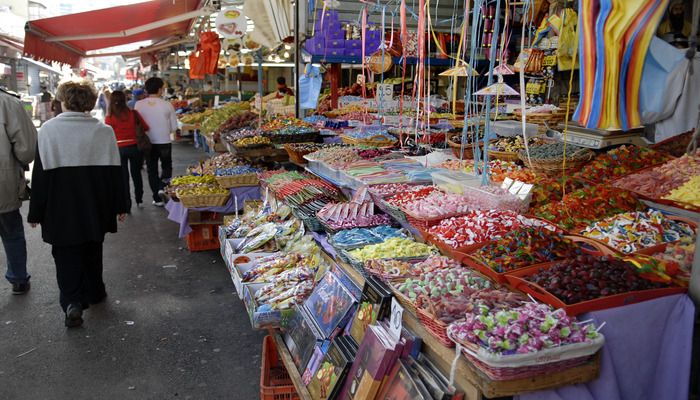
Israel welcomes you with splendid beaches, amazing snorkelling spots, breathtaking hiking places, rich history, and a unique mix of cultures. Here are some of the top things to do in Israel to add to your itinerary;
- Take a stroll through the Jewish, Christian, and Muslim quarters of Jerusalem. It is an incredible experience of history and cultural diversity.
- The Red Sea in Eilat is great for snorkelling or diving. A visit to the marine observatory provides a breathtaking view of underwater marine life.
- Tel Aviv is known for its bustling energy, nightlife, and urban beaches. Besides the beaches, you can also visit the Carmel Market and the old port of Jaffna.
- You can climb down the Red Canyon using ladders, metal bars, and rock footholds. Mitzpe Ramon Crater is a beautiful crater here.
- Float on the Dead Sea, the lowest place on earth at 400 m below sea level. Despite its inhospitable nature, it is a unique attraction because of its saltwater and arid heat.
- View breathtaking scenes of the city and the Mediterranean from the garden terraces in Haifa such as the Baha`i Gardens.
What are the Israeli cuisines to try?
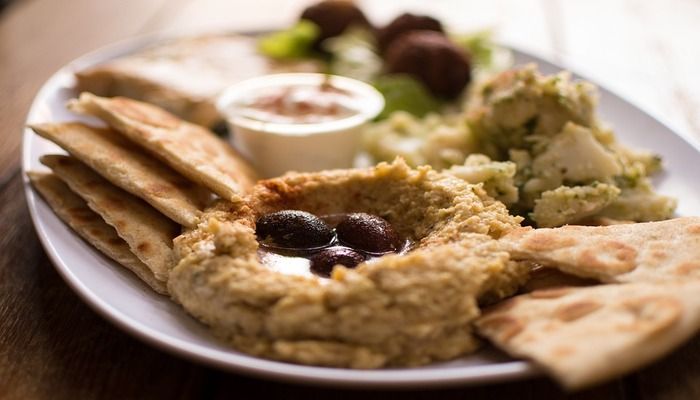
Israel offers delicious dishes that have subtle Middle Eastern flavours with huge influences from international cuisines. The food culture is perfectly represented in the dozen delicacies along the streets markets of Jerusalem or Tel Aviv. To experience the true taste of Israeli cuisine, one must visit falafel stands, Israeli bread vendors, etc. Here are some of the must-try dishes.
- Falafel (chickpea fritters).
- Hummus (a spread made of chickpeas, tahini, garlic and lemon).
- Khachapuri (pastry stuffed with cheese and topped with a fried egg).
- Burika (deep-fried crepe filled with mashed boiled potato).
- Shawarma (roasted lamb cuts grilled).
- Babka (yeast cake flavoured with honey syrup and spices).
Try reading: 10 Expert-Recommended Things To do In Israel
Is Israel expensive?
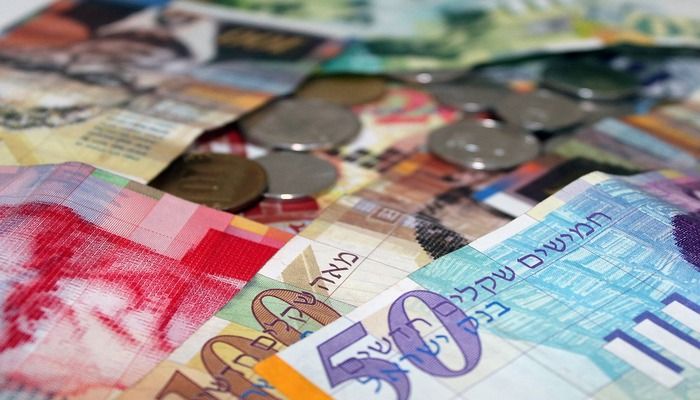
Israel is an expensive destination to visit as you have to pay more for the same commodity than in other parts of the world. Local costs have skyrocketed because of the rising Israeli currency against the USD. According to the Economist Intelligence Unit, Tel Aviv is now the world’s most expensive city. There is also a huge sales tax of 17% that is applied to most goods and services which makes Israel expensive. You should allow at least $75 per day for accommodation, transportation, food and a few attractions.
How to get around Israel?

Metro system and trams are efficient public transport means to get around Israel. Public buses and shared taxis such as Sherut are also great travel options. You could also use the minibus shuttle transfers between cities for a reasonable price. For quick taxi services, you can also download Gett or GetTaxi app. However, we do not recommend renting a car unless you are an expert driver. Roads are well maintained but navigating them is a nightmare. So, we recommend using public transport in Israel with convenient bus schedules and a simple train system that are easy to use.
Do I need a power plug in Israel?

An important travel tip to Israel is that the country uses sockets of types C and H that are unique. The standard voltage is 230 V and the standard frequency is 50 Hz. If you are travelling from Western Europe, you won’t need an adapter. However, if you are travelling from the US, Canada, the UK, and most of the other parts of the world, you will need to carry a power plug.
What to buy in Israel?

There are many Israeli authentic products that you can consider taking home as a souvenir. Need a little help? We have a list of the best things to buy in Israel for yourself or to gift someone back home;
- Israeli wine
- Jewellery (Diamonds)
- Israeli dates
- Olive wood carvings
- Armenian ceramics
- Judaica souvenirs
- Israeli snacks
- Dead Sea products
- Israeli art
Do you get internet connectivity in Israel?
The internet and phone services are advanced, so you won’t have trouble accessing the internet. Most hotels in major cities and towns provide free Wi-Fi. You can also buy a local SIM card at the airport or from telecom shops in Tel Aviv and Jerusalem. The most popular mobile network operators are Cellcom, Hot Mobile, Partner and Pelephone.
What are the visa formalities?
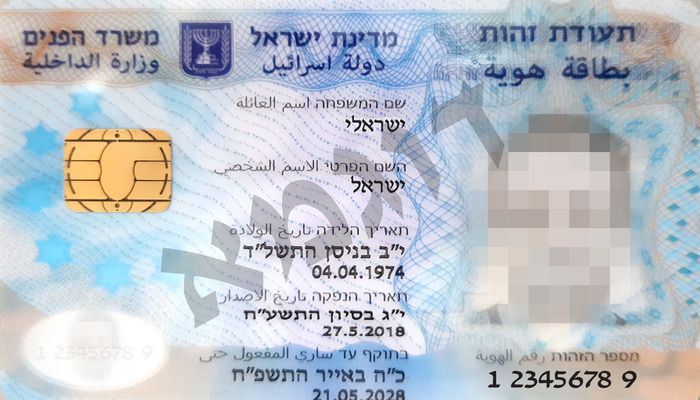
Travellers usually receive a free three-month travel visa into the country. However, your passport will not be stamped. Instead, they will issue a small blue identity card with a barcode. This is a tourist card that you need to show as proof of a tourist visa, so keep it safe. It is important not to lose the card and a crucial tip to remember of the many travel tips to Israel. You will just need to pay tax if you do. Again, during departure, you will be given a pink card. We recommend not carrying tourist cards in your passport, especially during border crossing. Remember, they will question you about your stay in Israel at arrival and departure, but do not panic. It’s just regular practice.
What is the best way to reach Israel from the UAE?
Emirates, El Al, EgyptAir, and other international airlines offer flights from Dubai Airport to Tel Aviv Airport. The direct flight from Dubai International to Tel Aviv Airport is for just over 3 hours. This is the quickest mode of transport from the UAE to Israel.
Explore Deals To Israel Nikita Aswani