Top 10 Things You Must Know About Mountain Gorilla Trekking
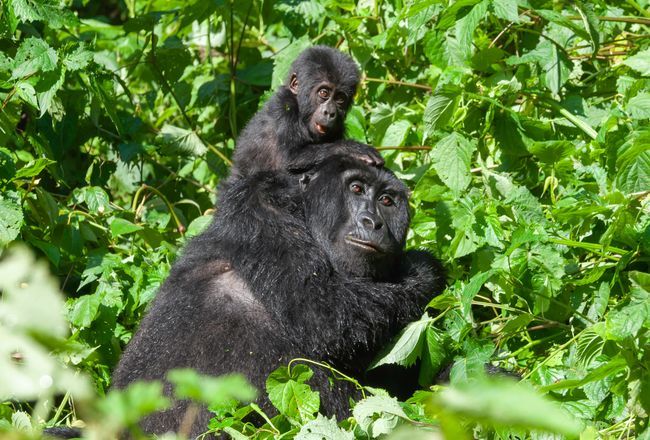

A few years back mountain gorillas in Rwanda and Uganda were almost on the brink of extinction. Human intervention in the form of a political power grab, forest deforestation and human encroachment had led to the near endangerment of this great ape. Over the past few years, rigorous conservation efforts and a well-planned rehabilitation process has led to a rise in their numbers substantially. From a mere 302 of them back in 2020, their number has gone up to around 1000. These majestic primates roaming the wild are a sight to behold. However, there are a few things that one should be aware of before going on a mountain gorilla trekking tour. Below is an interesting read on the top 10 things you must know about mountain gorilla trekking.
Top 10 Must Know About Mountain Gorilla Trekking
Best Time For Mountain Gorilla Trekking
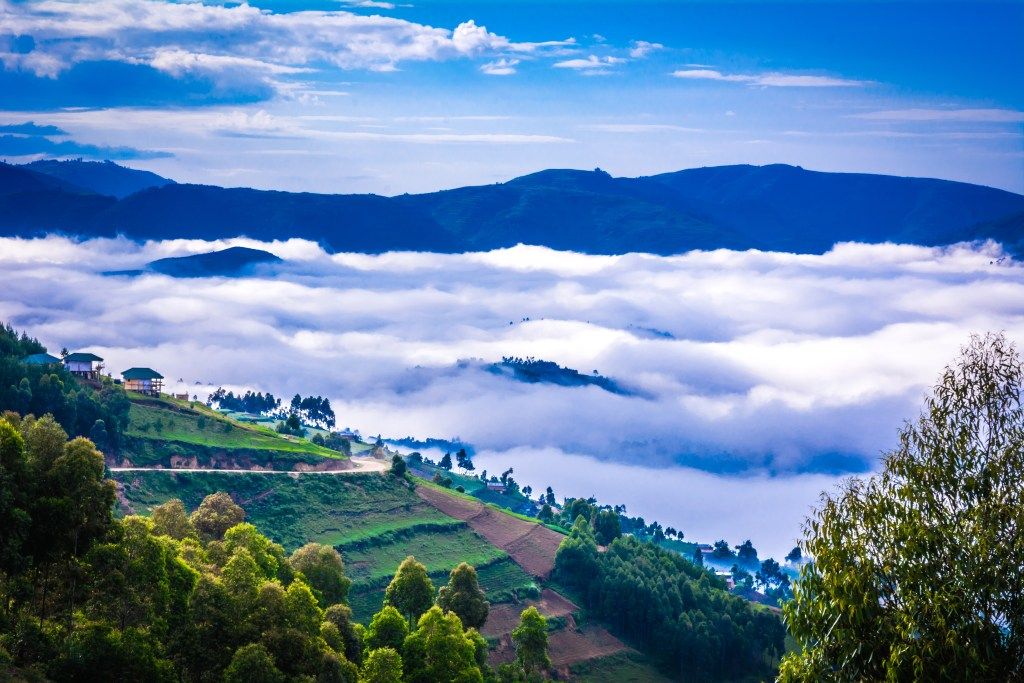
Gorilla trekking is available to travellers all through the year. But, it is highly likely that you can witness excess rainfall during certain times of the year. The best time to go mountain gorilla trekking is during the season months of June to September and during the months of December to February.
How To Get Your Permits?
Travellers planning a Mountain gorilla trekking can get their permits online. Be sure to book them in advance as they often sell out well in advance. If you’re visiting Bwindi National Park the local rangers strongly recommend visitors book their gorilla permits through a Safari agent or a local tour operator. The reason behind this is that the roads of Bwindi can be a bit treacherous and challenging, if not approached the right way.
Book Your Tour HereCost Of Gorilla Trekking

A budget gorilla trekking in Uganda’s Bwindi Impenetrable National Park or Mgahinga National will cost you roughly $700 per person. However, a gorilla trekking permit in Rwanda’s Volcanoes National Park will cost roughly $1,500 per person. The permit fee allows the local conservationist to carry on their gorilla conversation efforts while limiting the number of visitors. The permit fees also help in supporting the development of the local community.
Is It Safe Around The Gorillas?
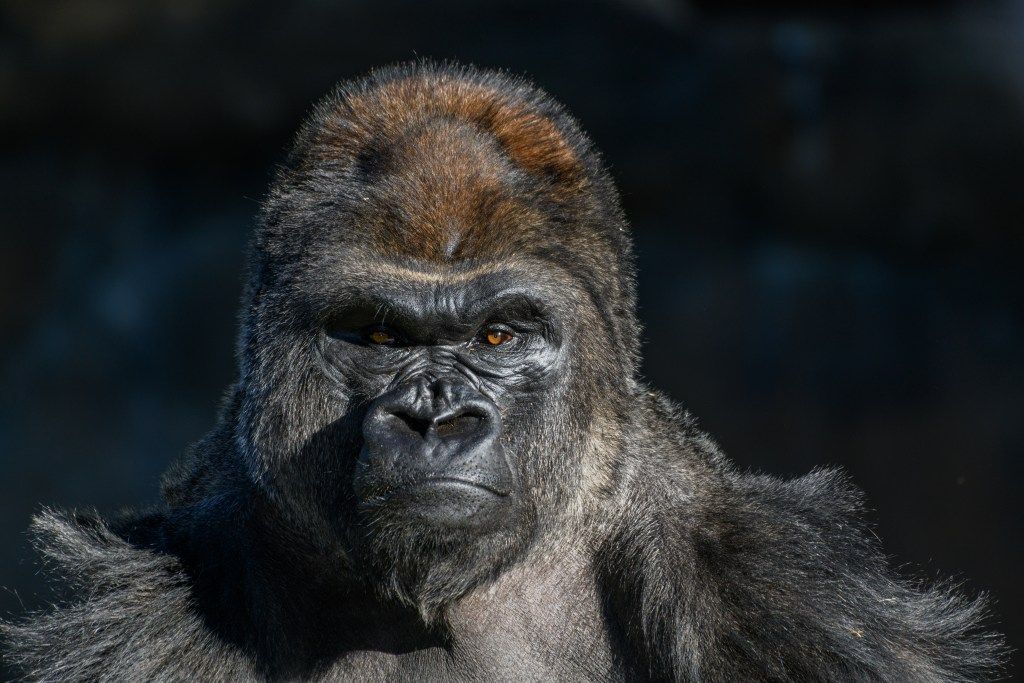
Mountain Gorillas in Uganda are not considered dangerous as long as everything is peaceful and relaxed. The large male mountain gorillas or Silverbacks are generally gentle and shy by nature. The gorilla groups have become habitual of the human presence amidst them. However, there are a certain set of rules that needs to be followed without fail, for the sake of your and your group’s safety. Here are some of the rules for gorilla trekking:
- A minimum distance of 6-10 ft needs to be kept between you and the primates.
- A mask is mandatory if you’ve come from a high-risk Covid country.
- If the silverback approaches or charges at you aggressively, you need to stay calm. Do not think of running away, rather go into a submissive position and do not lock eyes with the giant male.
- Do not make sudden moves or loud noises.
- Locking eyes with the apes are seen as an act of hostility and can cause the ape to go berserk.
- No smoking, drinking or eating is allowed within a vicinity of 200 meters of a gorilla troop.
- Children below the age of 15 years are not allowed to participate in the trek.
Is It Safe In Rwanda Or Uganda?
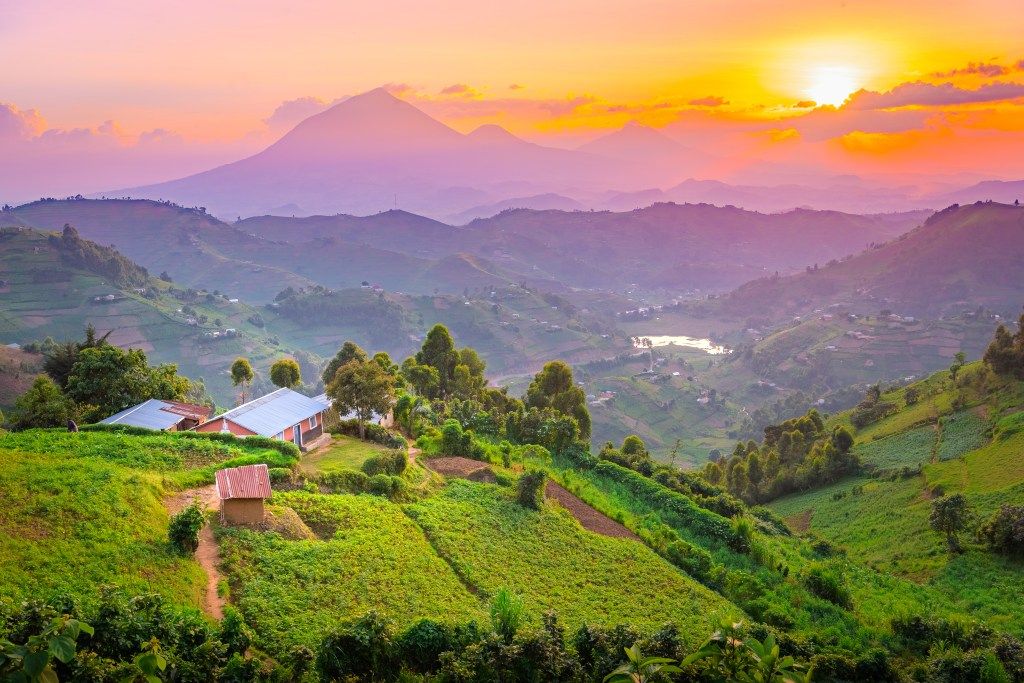
Both the African nations of Rwanda and Uganda are stable and safe countries for travellers. But booking a tour of the popular gorilla trekking in Rwanda and Uganda is highly recommended. The locals know how to get around the country, which also further ensures your safety.
Are Taking Pictures Allowed?
Taking pictures around the gorillas is allowed, but keep in mind that the flash of your camera or phone is off. The sudden burst of light might agitate and scare the group, resulting in the alpha male breaking into a fit of rage. The reason being is that the silverback is the protector of the gorilla family and would treat any form of sudden threat with extreme hostility. Also make sure to carry a waterproof bag for your camera, to protect the camera from the rains.
Things To Carry On The Trek
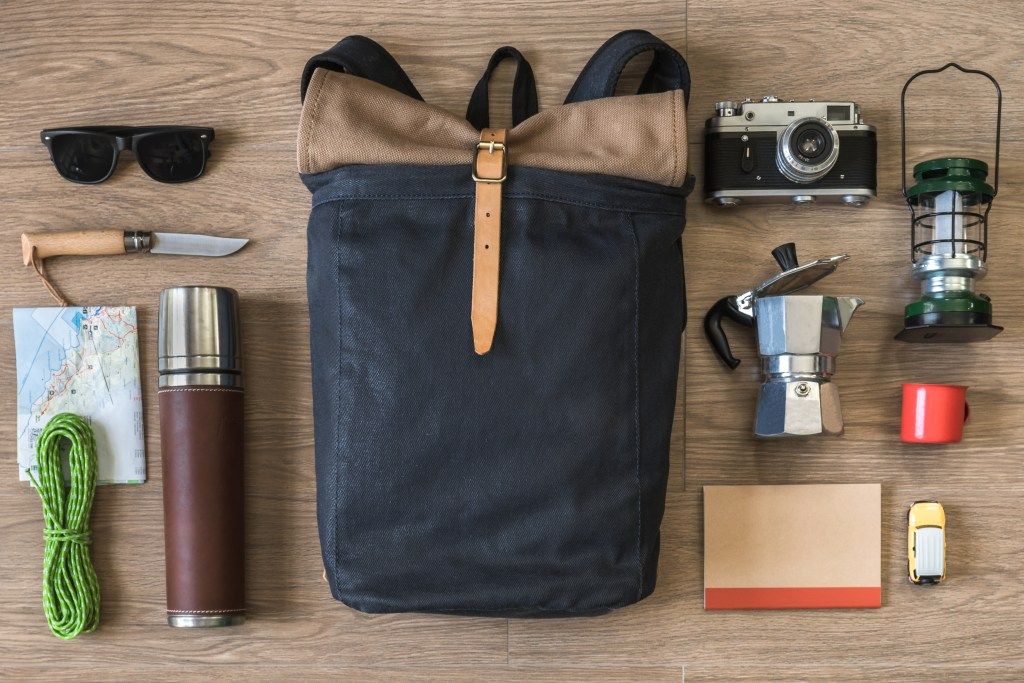
Mountain gorilla trekking requires tourists to be ready for anything that mother nature and the gorillas could throw at them. Packing the right gear could be the difference between having a wonderful experience or a very tiring one. Below is a list of items we recommend you pack before going on the trek:
- Camera with waterproof camera bag
- Insect repellent with DEET as one of the ingredients
- A tough pair of gloves, for people who like to grab stuff
- A walking stick that you can buy at the park gate
- A rucksack to carry all your trekking essentials and some snacks
- Reusable bottle of water
Clothes To Have For The Trek
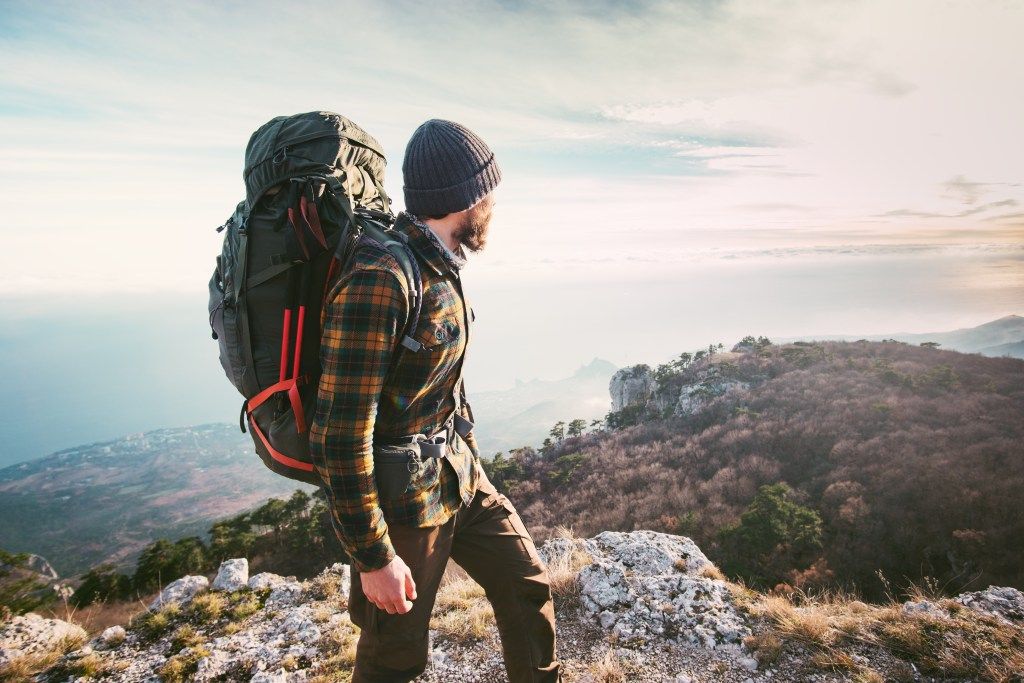
Trekking in Rwanda and Uganda is a very challenging task, especially if the rain gods decide on showering you with some of their of blessings. So here is a list of things to wear or have on you before you begin your trek:
- Lightweight clothing, as daytime temperatures can get a bit humid
- Long-sleeved top and long pants to avoid getting bitten and scratched during the trek
- A rain jacket, as it may rain anytime during the trek
- Long and thick socks to keep the creepy crawlers away from your legs
- Gaiters to use in those muddy swamp patches
- Do not get blue or black clothing as it attracts tsetse flies. Also, camouflage or military clothing is only for African military personnel.
Which Footwear Is Best?
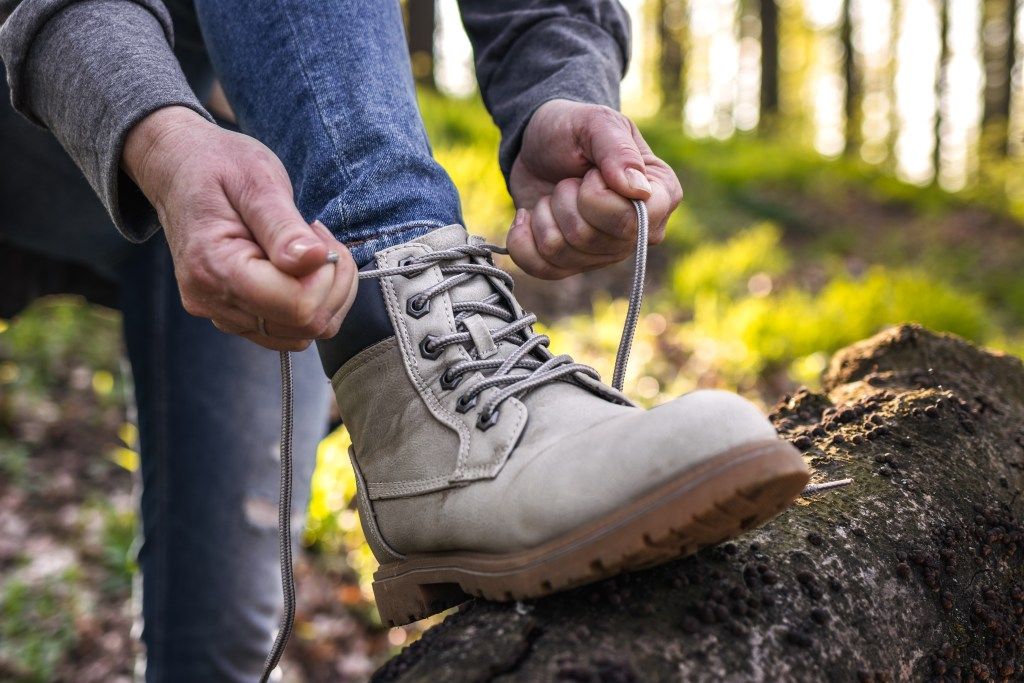
Gorilla trekking in Uganda and Rwanda requires one wearing waterproof hiking boots of ankle or knee-length, which are highly recommended due to the wet muddy patches found across the region. A much better option is wearing gaiters that come up to your hips and offers all round protection.
How Fit Do You Need To Be?
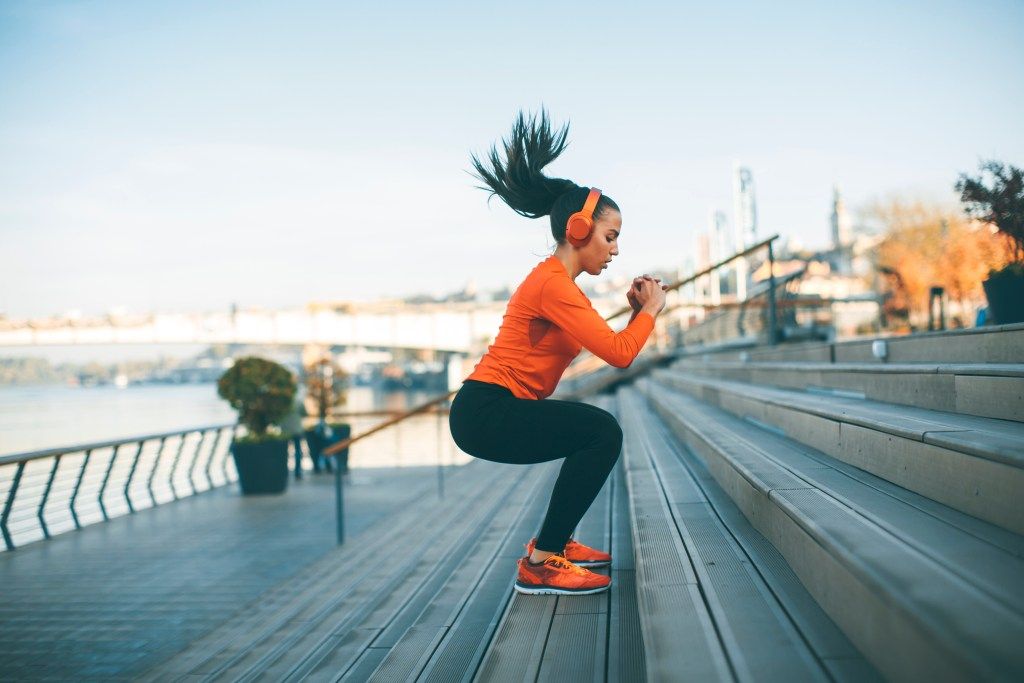
It is not certain for how long would you have to trek before reaching the spot where the gorilla family is located. The level of fitness of the entire group is what decides which trek the group will take. Trekking to the spot where the mountain gorillas put up often requires athletic levels of fitness. Mountain gorilla tours require you to be in your best physical state as you can never be sure which group you get paired along with.
You may also read: 5 Best Gorilla Trekking Destinations In The World
 Jacob Barretto