The Future Of Sustainable Cruise: Practices And Eco-Friendly Ships
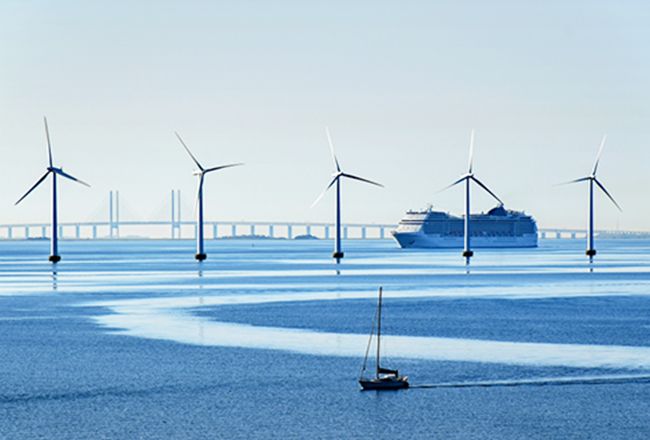

The future of travel is gradually transitioning towards sustainable tourism which over the years should ensure a cleaner future for tourism and the planet. One such initiative that is witnessing technology take leaps and bounds is the inclusion of new fleets of cruise ships. These cruise liners are specifically designed to ensure carbon emissions are kept to their lowest possible levels. The new state-of-the-art mega-floating marvels of engineering are witnessing a whole cluster of new tech to help them eliminate emissions while ensuring performance. Also, without compromising on guest and crew satisfaction. Below is an interesting read on the future of sustainable cruises that will change the way the world goes for a voyage around the world.
To which era does cruising date back to?
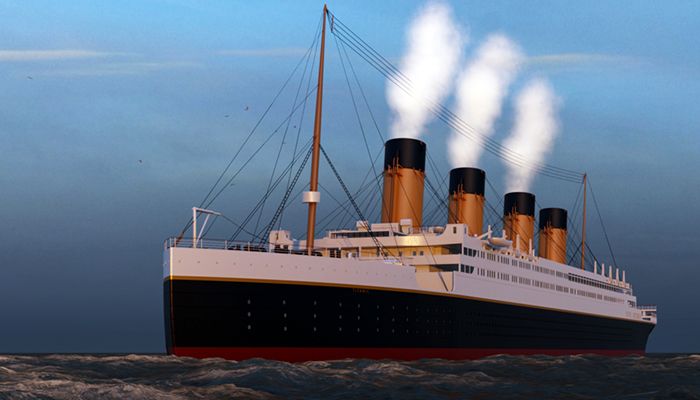
Cruising, in one form or another, has been a part of human history for centuries. Ancient civilizations used boats for trade, exploration, and even leisure. The Pharaohs of Egypt, for example, had their own luxury vessels to cruise along the Nile. However, the concept of leisure cruising as we understand, dates back to the 19th century. The Peninsular & Oriental Steam Navigation Company, which later became P&O Cruises, started offering leisure voyages in the mid-1800s. These early cruises set the stage for what would become a booming industry in the 21st century.
Over the years how cruising has evolved?
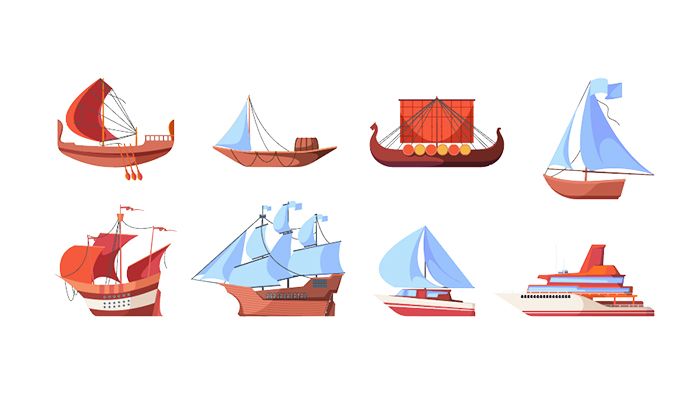
From those early steamships to today’s floating cities, cruising has undergone a massive transformation. Initially catering to the elite, today’s cruises are designed for all, with various options catering to different budgets, tastes, and preferences. Technological advancements have played a major role in this evolution, with modern ships boasting advanced navigation systems, luxurious amenities, and now, cutting-edge eco-friendly tech, reinforcing the concept of the sustainable cruise.
Fun fact, the largest cruise ship known to man is the “Wonder of Seas”. The new age cruise liner is nearly 35% longer and 127% wider than the iconic boat made memorable by the motion picture of the same name.
How much do cruise ships contribute to global Carbon Emissions?
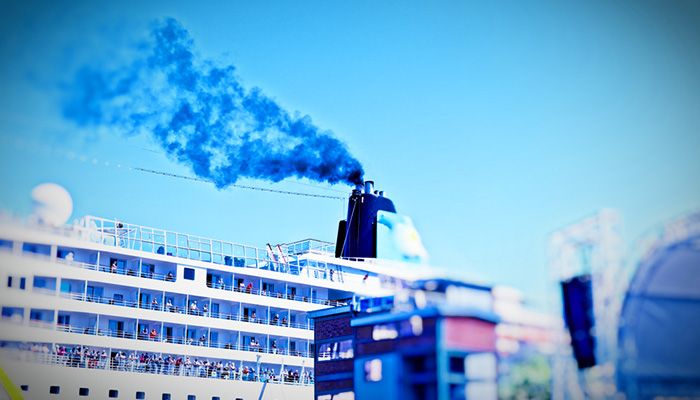
While the idea of cruising may sound lavish and enticing, it comes at a great cost to the environment. Traditional cruise ships use heavy fuel oil for power, emitting significant amounts of carbon dioxide and other pollutants. Experts estimate that the cruise ship industry contributes about 0.3% to global carbon emissions. While this might seem minuscule compared to sectors like aviation. The concentrated pollution in port cities and the delicate marine ecosystems they traverse through amplifies their environmental impact.
Steps taken to correct carbon emissions by cruise liners?

Recognizing the environmental concerns, cruise lines have taken significant steps towards sustainable cruising. Some of these include:
- Alternative Fuels: LNG (Liquified Natural Gas) is emerging as a cleaner alternative to traditional fuel, reducing CO2 emissions by up to 25%.
- Advanced Wastewater Treatment: Manufacturers equip modern ships with systems that treat and purify wastewater before releasing it, ensuring minimal environmental harm.
- Energy-Efficient Technologies: Manufacturers retrofit ships with LED lighting and energy-efficient appliances or design them with conservation in mind.
- Eco-Friendly Coatings: Manufacturers coat the hulls of cruise ships with eco-friendly paint to reduce drag and improve fuel efficiency.
- Shore Power: Ships can now plug into local power grids, eliminating the need to run their engines and emit pollutants.
What is the future of Sustainable Cruise?
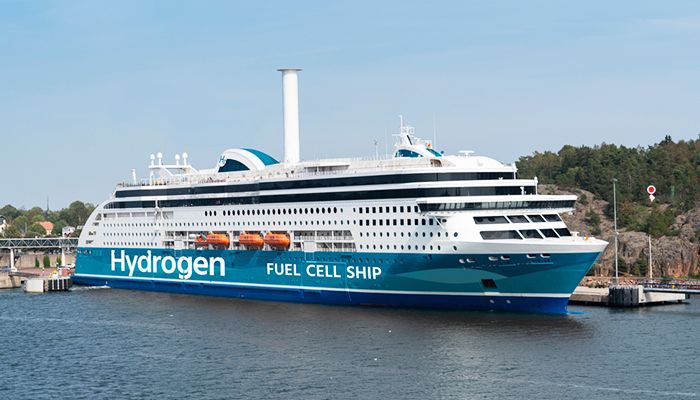
The future looks promising for those eager to set sail on a sustainable cruise. More cruise liners are investing in research to find ways to further reduce their carbon footprint. Innovations like solar power integration, sail-assisted propulsion, and even battery-operated ships are on the horizon. With increasing consumer demand for eco-friendly travel options, the industry is keen on providing unforgettable voyages that are also kind to our planet.
Conclusion
The next time you’re looking to embark on a journey across the seas, consider choosing a sustainable cruise. Not only will you enjoy your time at the sea. You’ll also be playing a part in ensuring our beautiful oceans remain pristine for generations to come.
Plan your Next Cruise Here Jacob Barretto